
[vc_row][vc_column]
March 2025
The Birth of the Petrochemical Industry: A Historic Milestone
The year 1920 marked a pivotal moment in the history of science and industry: the birth of the petrochemical industry with the production of its very first product. This revolutionary breakthrough laid the foundation for one of the most transformative sectors of the modern economy.The First Petrochemical Product: Acetone In 1920, acetone was produced from isopropyl alcohol, becoming the first-ever petrochemical product. This achievement not only demonstrated the immense potential of transforming hydrocarbons from natural resources like crude oil and...
February 2025
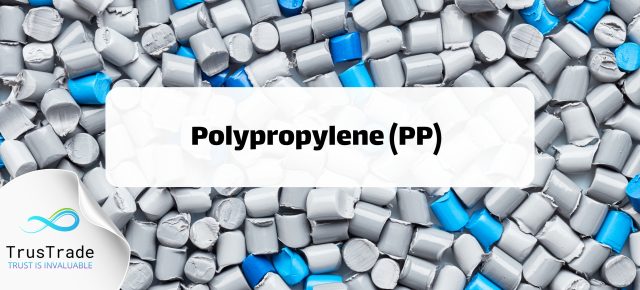
Polypropylene (PP): Properties, Derivatives, and Applications
Polypropylene (PP) is one of the most widely used and versatile thermoplastics in the world. Its combination of strength, durability, and adaptability makes it a cornerstone material across industries like packaging, automotive, construction, and healthcare.In this article, we’ll explore the unique properties of polypropylene, its derivatives, and its extensive range of applications.What is Polypropylene?Polypropylene is a synthetic polymer derived from the polymerization of propylene monomers. It is known for being lightweight, resistant to chemicals, and highly durable. These qualities have...
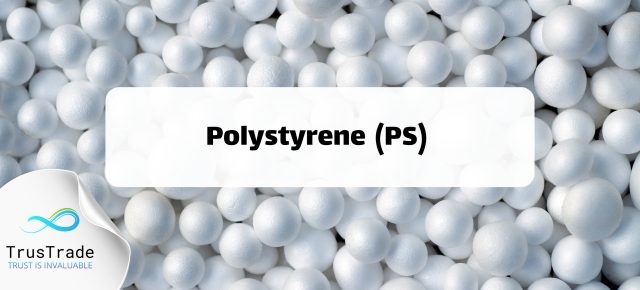
Polystyrene (PS): Properties, Derivatives, and Applications
Polystyrene (PS) is a versatile and lightweight thermoplastic that has become a cornerstone material across multiple industries. Known for its affordability, rigidity, and adaptability, polystyrene is widely used in packaging, construction, electronics, and consumer goods.In this article, we’ll explore the unique properties of polystyrene, its derivatives, and the extensive range of applications that make it indispensable in modern manufacturing.What is Polystyrene?Polystyrene is a synthetic polymer made from the polymerization of styrene monomers. It can be molded, extruded, or foamed into...
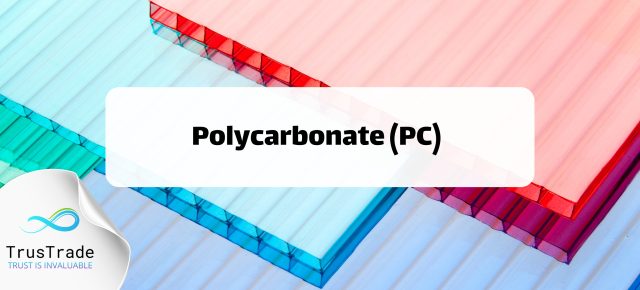
Polycarbonate (PC): Properties, Derivatives, and Applications
Polycarbonate (PC) is one of the most versatile and high-performance thermoplastics, renowned for its combination of strength, optical clarity, and durability. As a material of choice across industries, from construction to healthcare, polycarbonate drives innovation in modern manufacturing.What is Polycarbonate?Polycarbonate is a thermoplastic polymer known for its excellent mechanical properties and impact resistance. Made from the polymerization of bisphenol A (BPA) and phosgene, polycarbonate offers a unique balance of strength and flexibility, making it ideal for a wide range of...
Styrene-Butadiene Rubber (SBR): Properties, Derivatives, and Applications
Styrene-Butadiene Rubber (SBR) is one of the most widely used synthetic rubbers in the world, valued for its versatility, durability, and affordability. From automotive tires to construction materials and consumer goods, SBR has become an indispensable material in various industries.In this article, we’ll explore what makes SBR unique, its derivatives, and its extensive range of applications.What is SBR?Styrene-Butadiene Rubber is a synthetic polymer made from the copolymerization of styrene and butadiene. Its unique properties make it a preferred choice for...
January 2025
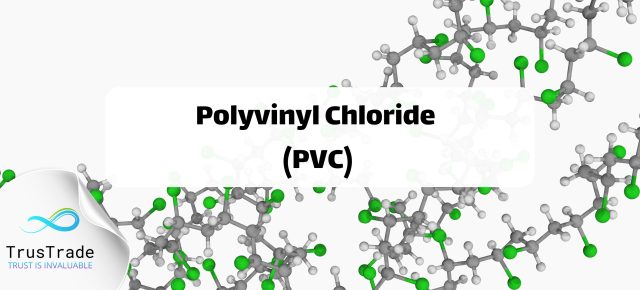
Polyvinyl Chloride (PVC): A Cornerstone of Modern Industry
hat is PVC? PVC is a thermoplastic polymer produced by polymerizing vinyl chloride monomers. It is a highly adaptable material, capable of being rigid or flexible, depending on the application.
Polybutadiene Rubber (PBR): Properties, Derivatives, and Applications
Polybutadiene Rubber (PBR) is a high-performance synthetic rubber widely valued for its unique properties and versatility. From the tire industry to construction and sporting goods, PBR plays a vital role in modern manufacturing and industrial applications.What is Polybutadiene Rubber (PBR)?PBR is a synthetic rubber made through the polymerization of 1,3-butadiene. It is known for its:High flexibility Exceptional wear resistance Low rolling resistance Ability to perform under extreme temperaturesIts unique chemical structure allows it to maintain elasticity and durability, making it indispensable for a...
Epoxy Resin: Properties, Derivatives, and Applications in Modern Industries
Epoxy resin is used in a wide range of industries due to its adaptability:ConstructionEpoxy resins are essential in flooring systems, waterproofing, sealants, and structural reinforcements. Their durability and resistance to wear make them a popular choice in industrial and commercial projects. ElectronicsUsed in circuit boards, encapsulation, and insulation, epoxy resin provides protection and stability for electronic components. Automotive and AerospaceLightweight, durable epoxy composites are used in vehicle components and aircraft structures, offering improved fuel efficiency and performance. Art and DIY ProjectsArtists and creators...
